When Rockstar Games first opened its London studio doors to scriptwriters in the early 2000s, the atmosphere was thick with anticipation. Prospective writers entered a dim room, faced an enormous screen and waited for a montage of classic cinema to set the tone. That ritual hinted at the studio’s ambition: to blend video game interactivity with the storytelling depth of film. Over the next two decades the company would evolve from modest top-down racers to the architects of sprawling, cinematic open worlds that rivaled Hollywood productions.
The original Grand Theft Auto, released by Scotland’s DMA Design in 1997, offered a simplistic bird-eye view of fictional American towns where players could hijack cars and cause chaos. Limited by a single internet-connected PC and a shoestring budget, the team relied on pop culture references—movies, music and the gritty prose of authors like Martin Amis—to inject humor and a sense of place. Even then, the formula of freedom, dark satire and an exaggerated version of the United States began to solidify, laying the groundwork for a franchise that would dominate the cultural conversation.
The rise of a cultural colossus
Grand Theft Auto III (2001) marked the series’ leap into three-dimensional gameplay, rendering Liberty City—a virtual New York—complete with skyscrapers, reactive pedestrians and a soundtrack that echoed the aesthetic of Scorsese’s crime dramas. Critics praised the title for its unprecedented urban realism, noting that no other game had portrayed a living city with such fidelity. Subsequent installments—Vice City, San Andreas and GTA IV—expanded the canvas, each drawing heavily from era-specific films, music and social trends. Vice City echoed the neon haze of Miami Vice and Scarface, while San Andreas captured the West Coast hip-hop zeitgeist and the gritty authenticity of movies like Boyz n the Hood. By the time Grand Theft Auto V arrived, the franchise was a mosaic of cinematic and literary references, from The Sopranos to the satirical prose of Cyra McFadden, cementing its status as a pop-culture barometer.
The commercial achievements mirrored the artistic ones. Grand Theft Auto V, launched in 2013, sold over 230 million copies worldwide, generating revenue that eclipsed many blockbuster films. The series’ influence spread beyond gaming, inspiring academic analyses, fashion lines and even headline-making legal debates about violence in interactive media. This momentum set the stage for the most ambitious project in Rockstar’s history: Grand Theft Auto VI.
The unprecedented scale of GTA VI
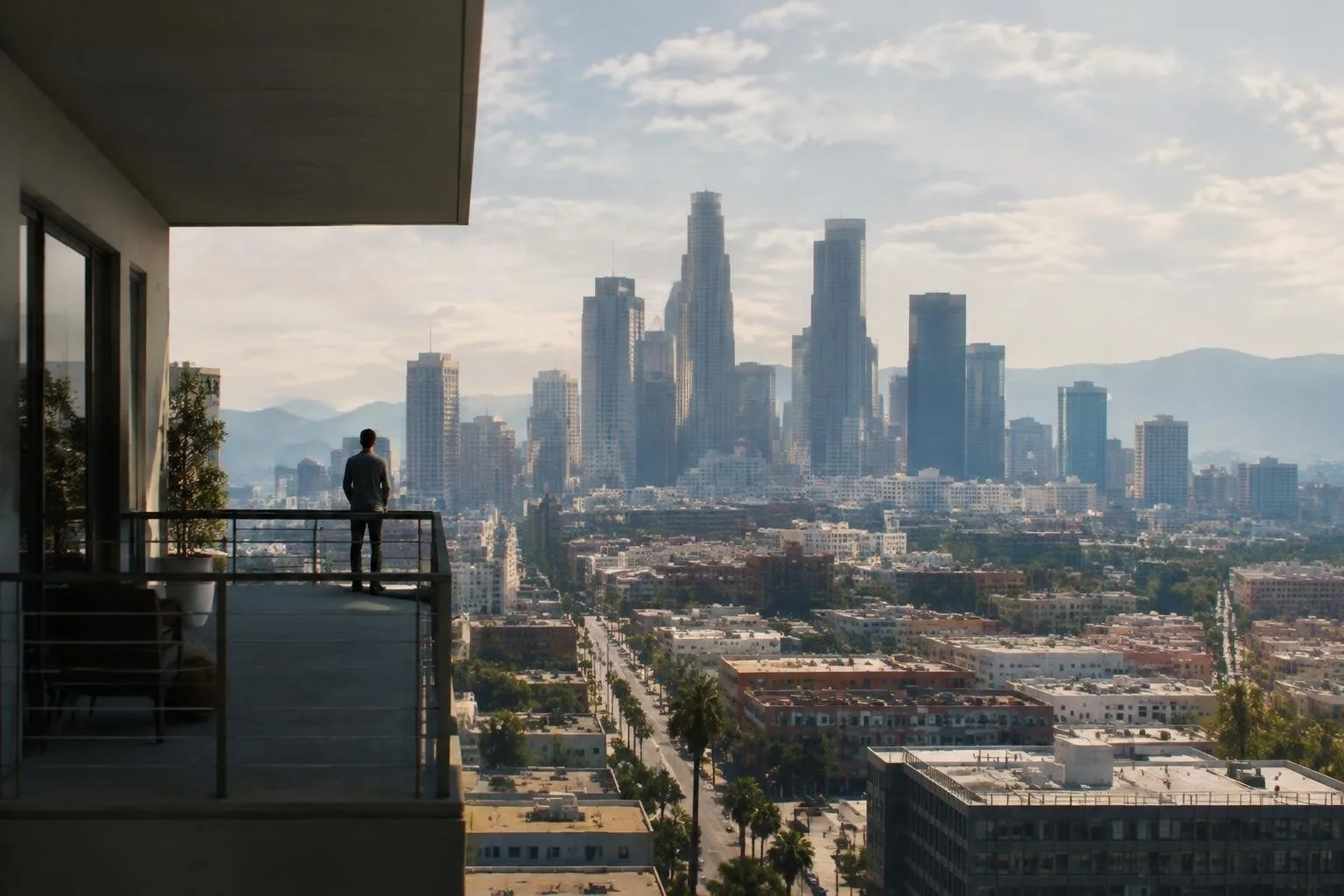
Development on GTA VI spanned nearly a decade and is reported to have cost more than $1 billion, making it the most expensive entertainment product ever produced. The game recreates an entire state—Leonida, a fictional analogue of Florida—including the iconic Vice City, an expansive metropolis with fully functional bus and train schedules. Over 600,000 unique character animations were crafted by a dedicated team of writers, directors and producers, ensuring each NPC displays a distinct personality. The final build occupies a massive 212 GB, prompting many players to clear substantial storage space before installation.
Beyond its technical heft, GTA VI is poised to become the biggest launch in entertainment history. Pre-order revenue is estimated at $750 million, and industry analysts predict billions more in sales over the coming years. The release will debut on Xbox Series X/S and PlayStation 5 on November 19, 2026, with a Netflix documentary revealing the first in-depth footage—a clear sign that the game transcends the realm of software to become a cultural event.
Preparing for the biggest game release of the decade
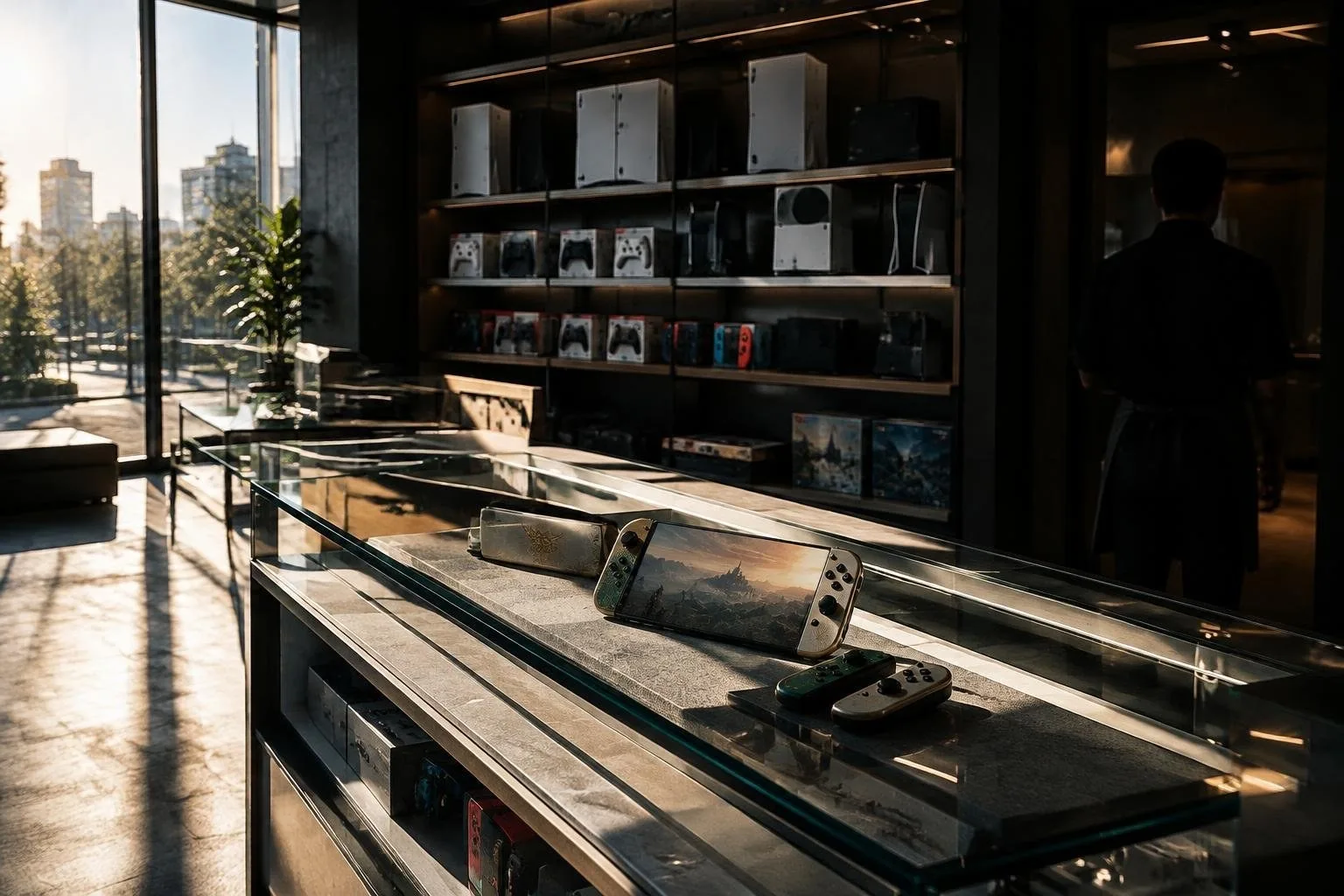
Prospective players should secure a digital pre-order to guarantee access on launch day. Two editions are available: the Standard Edition at $79.99, which includes the base game, a month of GTA+, and the Vintage Vice City Pack; and the Ultimate Edition at $99.99, which adds exclusive vehicles, weapons, clothing, extra garages and two unique missions. The Standard Edition can be upgraded to the Ultimate at any time, offering flexibility for budget-conscious gamers. Physical copies are shipped on November 12, but they contain only a download code, so the experience remains fully digital.
Rockstar allows early download starting November 10, meaning the 212 GB file can be fully installed before the midnight launch, eliminating the typical bottleneck of on-the-day installations. Players are advised to free up storage, as removing older titles will not erase saved progress. To fully appreciate the game’s audio design, many retailers are promoting new peripherals such as the PlayStation Pulse Wireless Headset, featuring 30-hour battery life and AI-driven noise cancellation. Finally, gamers are reminded to stay healthy during marathon sessions: hydrate, stretch regularly and avoid extreme sleep deprivation, especially given reports of past health incidents related to prolonged play.