
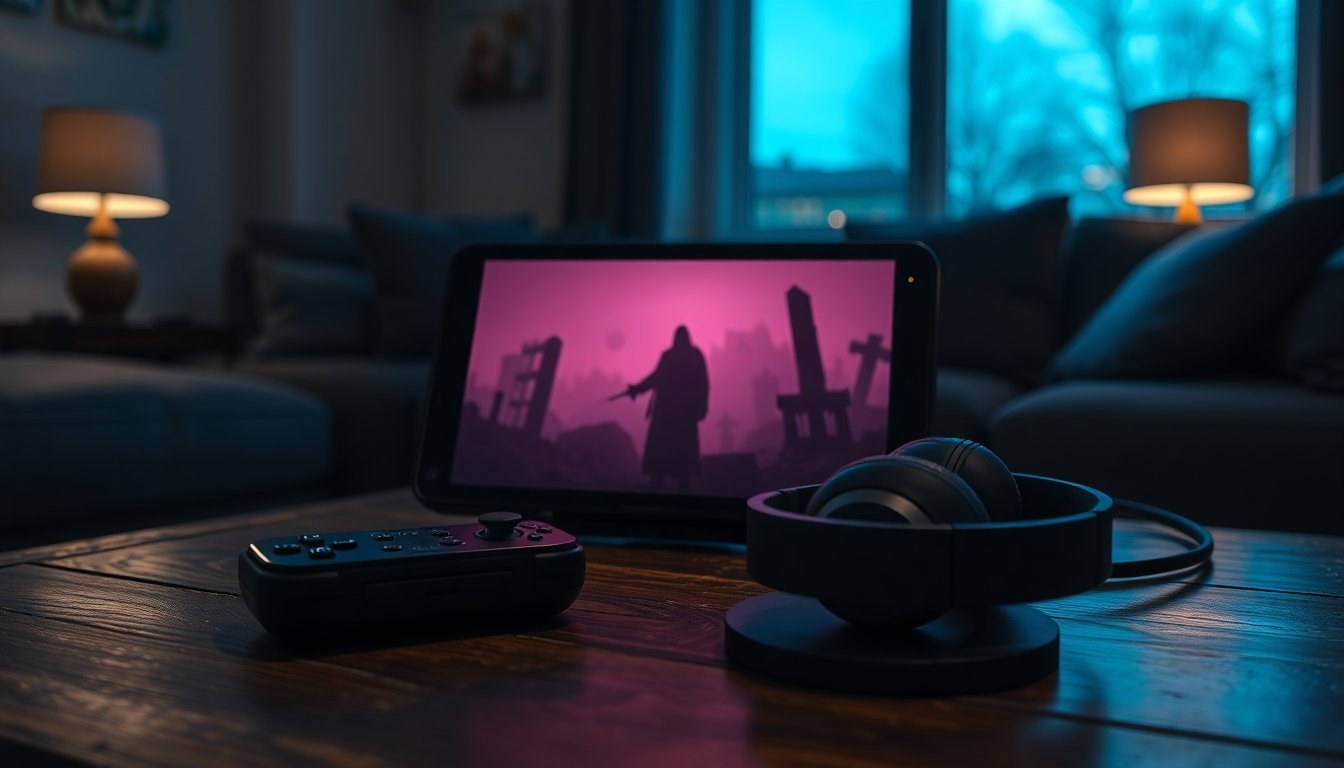
I spent several extended sessions playing Shin Megami Tensei III: Nocturne on the PlayStation Portal, using it primarily as a remote play extension of my PS5. With access to cloud streaming via PlayStation Plus Premium, the handheld became my go-to for dipping into modern and classic PlayStation titles when the TV was otherwise occupied. The goal here was simple: test how well a streaming-first handheld copes with a demanding, atmosphere-driven RPG and whether that experience holds up away from the living room.
Connecting the Portal to my console and to Sony’s cloud library is straightforward, and that convenience shaped much of my experience. I alternated between streaming directly from PlayStation’s servers and using the device as a remote display of my home console. Over the course of many hours with Nocturne, I noticed clear strengths in responsiveness and display quality, but also a few persistent limitations that affected immersion. Below I break down what worked best and what still needs attention.
Performance and display
On my typical home network the Portal streamed gameplay at a solid 1080p most of the time, with very few noticeable drops in frame rate even during hectic encounters. The handheld handled complex battle animations and dense environments without introducing input lag that would spoil the careful pacing of a game like Nocturne. Because the device acts either as a cloud streamer or a remote view of your PS5, performance depends heavily on network stability; in-home tests were excellent, which made the gameplay feel very close to native console performance.
Display quality and color
The unit’s 8-inch LCD surprised me by delivering vibrant hues and respectable contrast — not on par with an OLED panel, but very pleasant for a handheld devoted to streamed content. Text and menus remained crisp during exploration, and darker scenes, which are common in Shin Megami Tensei III, retained enough detail to preserve atmosphere. Streaming other titles from the cloud showed the display’s strengths too: saturated colors and solid blacks helped games look lively, even if the Portal can’t quite match higher-end handheld screens in absolute contrast or deep blacks.
Portability and battery life
Where the Portal shines is in sheer flexibility. Because it can connect to either your home console or PlayStation’s cloud servers, I could move from couch to bed to a different room without losing progress. I even tested access via a corporate Wi-Fi connection, proving that remote play works beyond home networks when allowed. Importantly, the streaming catalog available through PlayStation Plus Premium is robust, so you can pick up many titles without tethering to your own PS5. That makes the Portal useful for travel or when the main TV is in use.
Battery and handling during long sessions
Battery life was notably decent: typical sessions lasted around four hours per charge and could exceed six hours for less demanding titles, which allowed lengthy dives into a dungeon-heavy RPG without constantly hunting for a charger. Ergonomically the Portal follows the shape of a DualSense controller, which is comfortable overall, but the central display adds weight. After particularly long play periods my wrists registered fatigue, a reminder that handheld form factors still require design trade-offs between screen size and long-term comfort.
Limitations and areas to improve
My clearest frustration is the limited audio flexibility of the device. The Portal lacks native support for standard Bluetooth headphones, so your options narrow to the built-in speakers, the 3.5mm jack, or accessories that use PlayStation Link technology. There’s also no USB-C audio passthrough, ruling out some wired earbuds that rely on a digital connection. For a title like Nocturne, where sound design plays a major role in mood, not being able to use popular wireless headphones felt like a significant omission.
On-the-go connectivity caveats
When I used mobile 5G tethering or various public routers, the Portal showed occasional instability — small frame drops and momentary hitches that can break immersion. This is a feature of any streaming-focused device rather than a hardware bug, but it matters in practice: unlike a handheld with downloaded games, the Portal’s peak performance relies on steady bandwidth. For most of my at-home and in-house remote play needs it proved excellent, but for reliable offline portability I’ll still reach for a traditional handheld loaded with local installs.
Overall, the PlayStation Portal impressed as a streaming-first companion for my PS5, especially when replaying a demanding, atmospheric RPG like Shin Megami Tensei III: Nocturne. Strong network performance, a capable 8-inch display and competitive battery life make it a great option for players who want a flexible way to access their PlayStation library. However, limited audio support and the need for a stable connection when away from home are important considerations before committing. If you prioritize remote streaming and at-home flexibility, the Portal is a compelling tool; if you need fully offline portability or broad headphone compatibility, the trade-offs may matter more.


