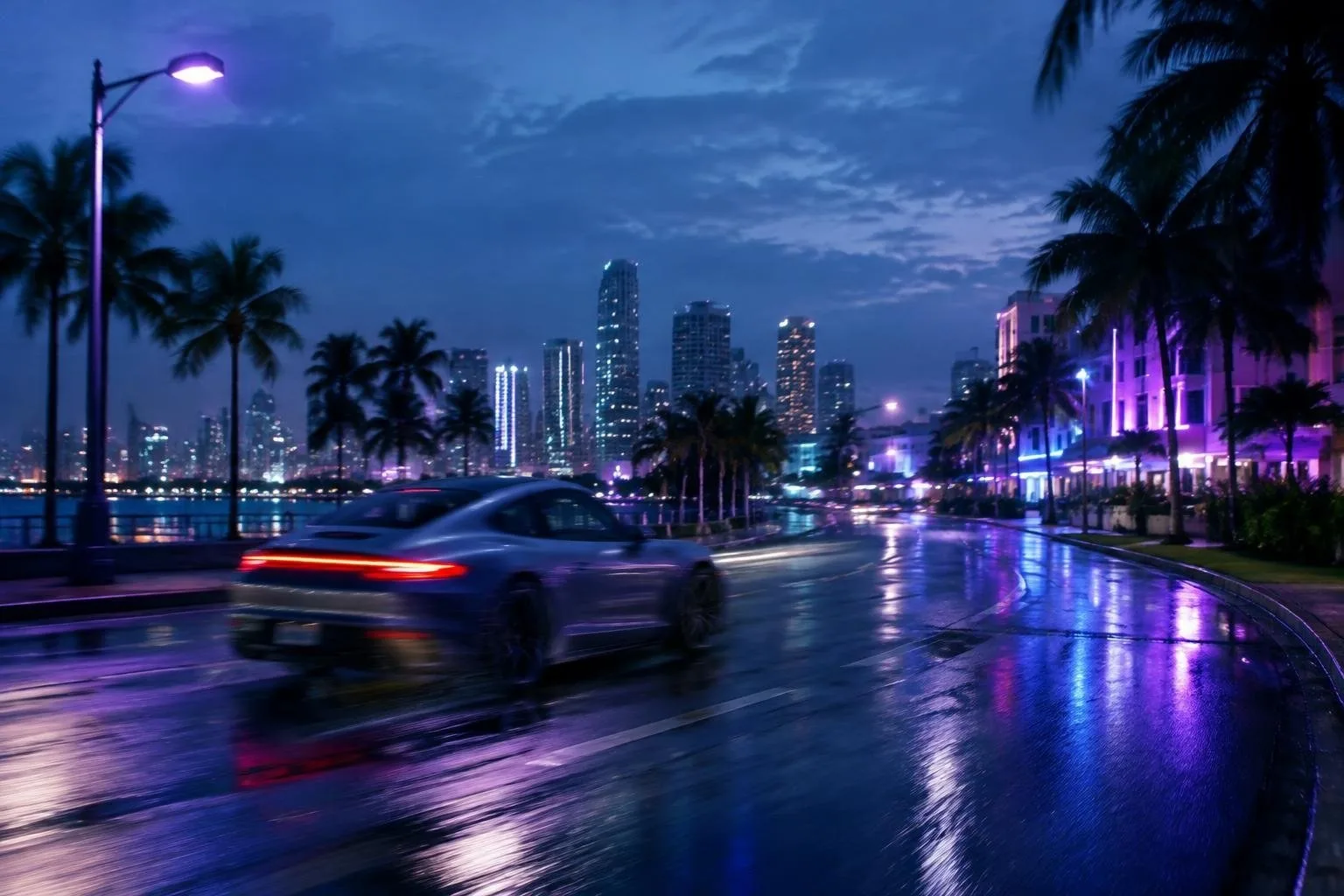
On 19 November, Rockstar Games will drop Grand Theft Auto VI, the next chapter of the franchise that has dominated the open-world genre for more than a decade. The announcement has been accompanied by a backstage look at how the developers turned an idea into a sprawling digital metropolis that mirrors Miami’s neon-lit streets, its tourist-driven excess, and the stark social divides that define the city.
A decade of on-the-ground research
Back in 2015, a small crew from Rockstar North set foot in South Florida for the first of many scouting missions. Lead developer Rob Nelson recalls that the purpose was less about taking screenshots and more about soaking up the vibe of the place – the rhythm of traffic, the scent of salty air, the way locals dress for a night out. The team spent days in nightclubs, rode alongside police patrols in South Beach, and even endured a four-hour hangover before being whisked to a nearby racetrack. Because a group of enthusiastic developers can’t truly blend into a “terrifying neighbourhood”, they remained “semi-undercover”, a status that made them stand out but also gave them an honest look at the city’s extremes.
These field trips were not a one-off affair. Over the next ten years, the crew returned repeatedly, photographing storefronts, collecting flyers, cataloguing street art, and noting the minute differences between high-rise condos and rundown bungalows. The aim was to capture the juxtaposition of wealth and decay that defines Miami, a contrast that the game’s narrative – a criminal couple on the run – will later exploit. The research methodology, described by Nelson as “immersing yourself in the place and its history”, laid the cultural and visual foundation for the fictional city of Vice City, later renamed Leonida in the final build.
Building an obsessive digital replica
The ambition to translate that raw material into a playable world required an army of talent. Roughly 5,000-person team members across Rockstar’s global studios contributed, but strategic decisions fell to a tight core of veterans – lead writer Rupert Humphries, who has shaped narratives since 2008, and designers like Nelson who also dabble in casting. Nelson’s background in character art and animation is evident in the game’s micro-level polish. Players can watch the protagonist, Jason, bite a donut with one hand while sipping a beer with the other, or observe the fluid sway of a six-pack of beers as he darts through a crowd.
Even the smallest static elements received close scrutiny. During a test run of a jewellery-store robbery, Nelson paused because a security guard’s foot placement felt off, prompting a last-minute adjustment. Pedestrians sport region-specific clothing, café walls host correctly aged flyers, and refrigerators contain recognizable brand items. This level of micro-detail would be impossible for most studios, but Rockstar’s deep pockets and the patience of parent company Take-Two Interactive allowed developers to iterate for years without the pressure of a rushed launch.
Financial engine behind the franchise
While the single-player experience garners most headlines, the online component remains the franchise’s cash cow. GTA Online, launched two weeks after Grand Theft Auto V in 2013, still logs more than 15 million monthly active users worldwide in 2026. The mode thrives on regular content drops, a vibrant role-play community, and a micro-transaction model that converts real money into in-game currency, vehicles, and cosmetics. Players like Lucas Vigne, who has logged over 1,000 hours, return whenever a fresh update arrives, keeping the ecosystem alive long after the base game’s release.
Take-Two’s chief executive Strauss Zelnick sees GTA VI as the next catalyst for a $12 billion franchise empire. The previous entry sold close to 235 million copies, reinforcing Zelnick’s claim that the series is “probably the most valuable intellectual property in the entertainment business”. He also stresses that the game’s open-world design invites casual play while offering a depth that only a handful of players can truly master, a duality that fuels both sales and the long-term profitability of the online service. Although an official sequel to GTA Online has not been announced, analysts predict a “GTA Online 2” could appear in 2027, extending the revenue stream that already contributes nearly half a billion dollars annually.