
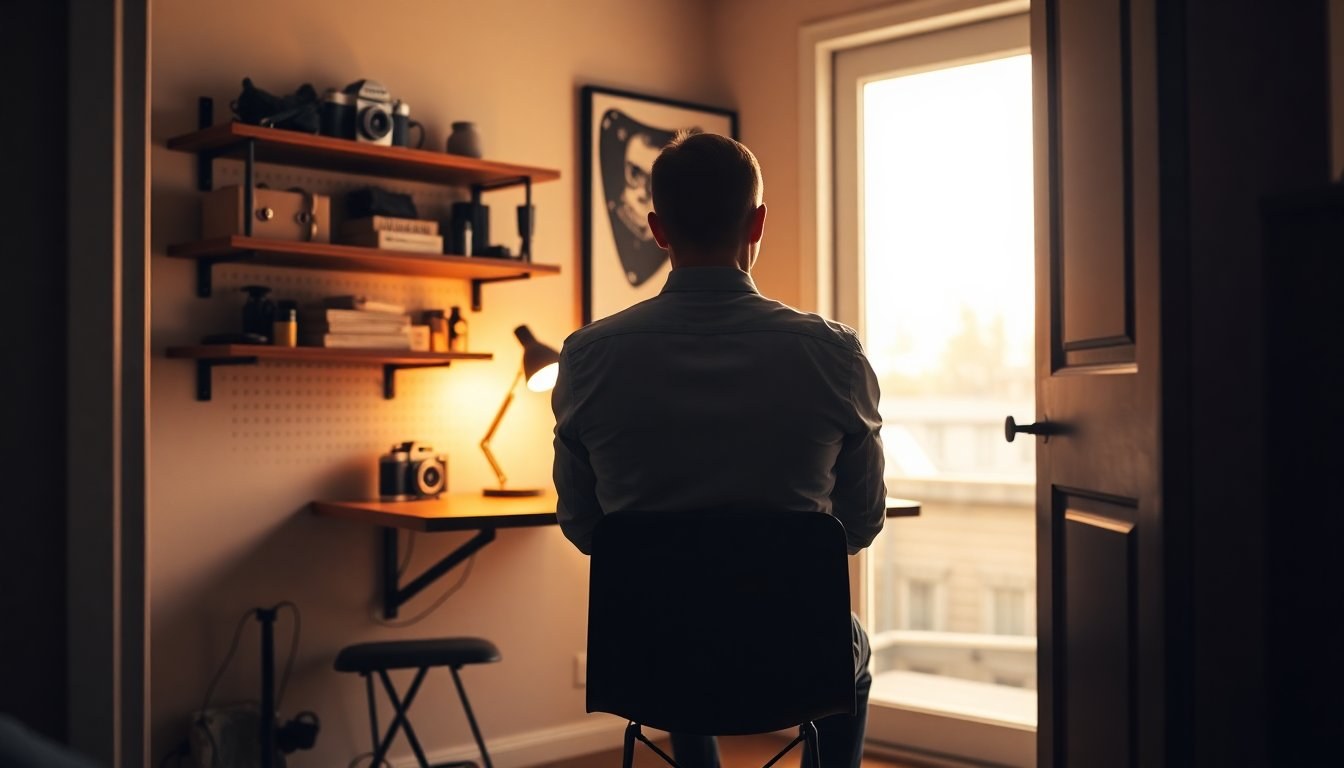
Turning a tight spare room into a functional and personal workspace starts with a clear intention: blend productivity with personality. A home office man cave is not just a desk and chair; it is a compact headquarters that supports your job tasks while reflecting hobbies and tastes. Thoughtful choices about lighting, storage, and focal features keep the area efficient, while a few bold decorative touches make the room feel like a retreat. The goal is to craft a space that invites concentration during work hours and transforms into a relaxing or creative zone when the laptop closes.
Across the range of options, the best small man cave setups balance utility and character. Whether you lean toward a high-performance gaming battlestation or a quiet, leather-clad den, the same design rules apply: define zones, manage cables, and choose dual-purpose furnishings. In this guide you’ll find modular ideas suitable for different interests and budgets, with suggestions for integrating technology like multi-monitor arrays and short-throw projector systems without overwhelming the footprint of the room.
Design principles for compact man cave offices
Before choosing a theme, prioritize practical principles that improve daily use. Start with ergonomics: a properly sized desk and chair, monitor placement, and task lighting reduce fatigue. Use vertical storage to free floor space and pick furniture that performs double duty, such as a desk with hidden drawers or a bench that stores gear. Integrate a clear backdrop for video calls by curating a single accent wall or shelf, and plan lighting layers—ambient, task, and accent—to transition the room from work to leisure without rewiring. Small improvements in workflow and routing for power and data can make a tiny room feel deliberate and professional rather than cramped.
Zoning and workflow
Zoning separates work from play inside a few square meters. Allocate a primary surface for focused tasks and arrange a secondary nook for relaxation or hobbies. Place the desk near natural light when possible and keep entertainment elements like consoles or a record player within arm’s reach but visually distinct. Employ cable management and storage bins to keep distractions out of sight, and consider modular dividers or shelving to create perceived separation. A simple rule of thumb: maintain a dedicated work triangle of desk, screen, and chair, and let recreational items orbit that triangle rather than intrude on it.
Fifteen versatile setup types
Ideas to adapt to your interests
This list translates the fifteen concepts into actionable corner setups. Start with a gaming battlestation featuring an L-shaped desk, monitor arms, and under-desk LED accents for day-to-night transitions. A sports memorabilia wall uses shadow boxes and floating shelves to turn autographs and jerseys into motivating decor. For a refined after-hours feel, a whiskey bar desk can include a pull-out shelf or a compact humidor near the work surface. Musicians will prefer a guitar wall studio with wall mounts and acoustic panels handling both storage and sound control, while a dark moody accent wall gives any setup cinematic focus and reduced glare for screens.
Other ideas make the most of small footprints: a retro arcade corner adds a bartop cabinet for quick breaks; industrial pipe shelving creates sturdy, exposed storage; and a home theater dual-purpose room combines a retractable screen with a whiteboard or gallery wall. For a classic look, a cigar lounge inspired office leans on leather and warm wood tones; vinyl fans can build a record player music corner with shelving for albums. Neon signs, a comic book-theme wall, minimalist dark cockpits, leather-and-wood executive dens, and garage-to-workshop conversions complete the roster so you can match aesthetic and function precisely.
Practical tips and quick answers
Small projects can scale from modest to elaborate depending on budget and skills. Typical setups may cost anywhere from a few hundred to several thousand dollars—choose priorities like storage, sound treatment, or high-end peripherals first. Rooms as small as eight by ten feet accommodate effective layouts when you follow the zones and manage cable runs. For video calls, compose your camera angle to show a clean accent wall or curated shelf; simple adjustments to lighting and background props maintain a professional image. To avoid distractions, schedule focused work windows and keep entertainment devices in a separate visual zone so the space supports both productivity and personal downtime.


