
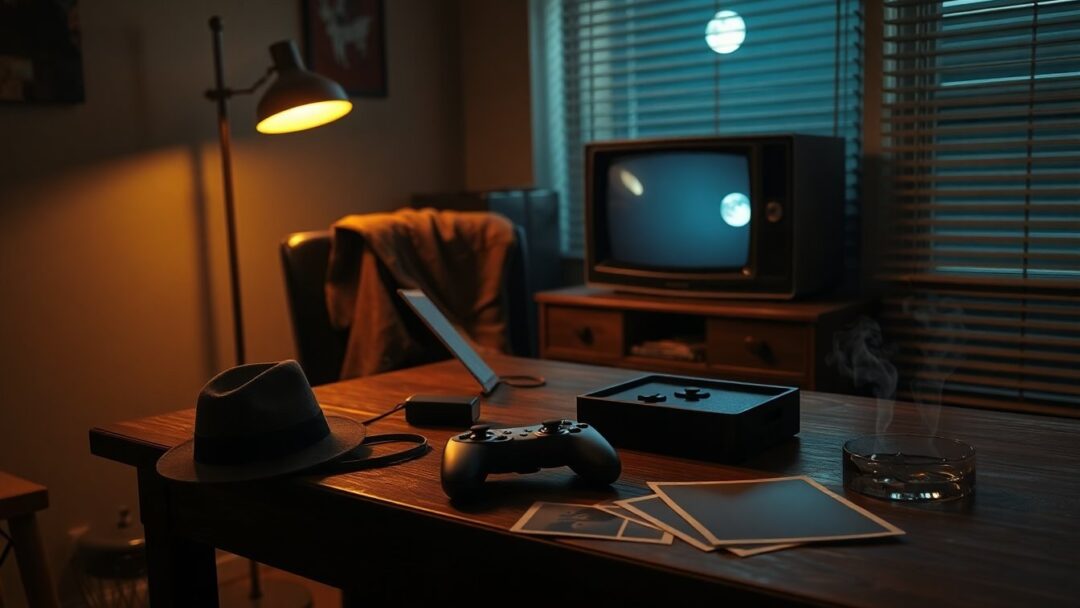
On 17 May the conversation around a landmark detective title returned to the forefront. Fans marked the anniversary of a game that first blended cinematic atmosphere, period detail and interrogation gameplay into something few had seen before. When Strauss Zelnick, CEO of Take-Two, recently answered a question about a follow-up with a terse yes, that brief reply shattered months of silence and renewed speculation about the franchise’s future. That single word matters because it signaled that the IP is still considered valuable by its publisher, not simply a fond memory.
The original release, produced by Team Bondi and published under the Rockstar banner in 2011, introduced players to Cole Phelps and a reimagined post-war Los Angeles. Instead of prioritizing chaos and spectacle, the game asked players to slow down, inspect evidence and read faces. Its combination of mood, investigative pacing and an emphasis on subtle performance set L.A. Noire apart from other open-world titles of its era, and that distinct identity is central to any discussion about a successor.
What made L.A. Noire unique
The title earned attention because of its focus on interrogation mechanics and meticulous historical recreation. Players progressed through multiple LAPD bureaus, from traffic to homicide, with each case built around careful evidence collection and conversational choices. The game treated Los Angeles as a stage rather than a playground: the city functioned as a detailed diorama that framed the loneliness, hypocrisy and moral ambiguity of Cole Phelps. By leaning into restrained gameplay and narrative references to period classics, the developers created an experience that felt more like a living crime novel than a conventional action-adventure.
MotionScan and the psychology of questioning
At the heart of that experience was the MotionScan system, a facial-capture technology developed by Depth Analysis. Using arrays of cameras to record subtle muscle movements, MotionScan turned each interview into a mini psychological contest. Players learned to differentiate a twitch, a blink or an awkward lip motion as potential indicators of deception. This emphasis on reading nuanced performance made interrogations feel like genuine puzzles, and for many players the technology remains the most memorable legacy of the original project.
Design choices and modern critiques
Even at launch, not all reactions were unqualified praise. Critics often described the open-world sections as sparse compared with high-octane contemporaries, and some found the pacing uneven. Yet those perceived limits were intentional: rather than clutter the map with distractions, the team used period-accurate cars, radio jingles and storefronts to cultivate authenticity. References to films and books of the era helped anchor the narrative tone. In short, the world was a supporting set for investigative drama, not a sandbox for emergent mayhem, and that creative decision is central to why a revival would need to preserve the original’s tonal priorities.
How modern tech could evolve the formula
Fifteen years later, contemporary tools like Unreal Engine 5 and MetaHuman present obvious opportunities. Improved rendering, lighting and procedural facial animation could push the interrogation concept further by producing even more convincing micro-expressions. Meanwhile, advances in artificial intelligence could enable dynamic suspect behavior, generating subtle emotional cues or conversational branches in real time. These technologies suggest a sequel could feel both familiar and fresh: the core challenge—reading people and crime scenes—would remain, but the fidelity and variability of those interactions could rise dramatically.
Business background and potential directions
The road to a new installment is complicated by the franchise’s production history. After a troubled development cycle, Team Bondi dissolved and key figures moved on. Brendan McNamara, the original creative lead, later founded a studio involved in the VR re-release of the game, and Rockstar has since acquired teams tied to that project. Take-Two’s public acknowledgment of interest does not equal a green light, but it does mean conversations may be happening about who would develop any new entry and how the IP might be shaped.
As for setting, designers have options. Returning to Los Angeles would guarantee tonal continuity; shifting to cities like New York or San Francisco could open different cultural textures and crime narratives. Recovering concepts from canceled projects—such as the abandoned Whore of the Orient idea originally explored by ex-Team Bondi members—could produce a broader, international noir. Whatever path is chosen, balancing the series’ investigative soul with modern expectations will be essential.
For now, players wait. The L.A. Noire formula—slow, observant and psychological—still feels distinct in an industry that often prizes immediacy and spectacle. If publishers and developers decide to move forward, modern tools could enhance the franchise’s strongest asset: the invitation to look closely and think critically. Until an official announcement arrives, that mix of nostalgia and possibility is what keeps the conversation alive among fans and creators alike.


